_(1)_(1)_(1)_(1).jpg)
Shah Sachal Sami Foundation (SSSF) is a non-profit organization, registered under the Voluntary Social Welfare Agencies Ordinance 1961, working in the rural areas of District Nawabshah (Benazirabad) of Sindh, Pakistan. The aim of the organization is to provide participatory development services to the most marginalized communities of the area who are backward in the overall development process.
The main thrust of SSSF is to empower the deprived people of rural areas by improving their socio-economic status and enhancing their production capacities and income generation sources and resources. Formation of Peasant Worker Groups (PWGs), Village Committees (VCs), and Cooperatives of Rural Communities are the core strategic aspects of SSSF's implementation process.
The target groups are peasant women, landless and small farmers, and labour workers — as they make up 90% of the rural population and live at the lowest standards of life. Communities are organized and motivated to initiate their own development process through mobilization, skill development, and optimal utilization of available resources.
Organized and mobilized to lead household and community-level change.
Supported with skills, resources and cooperatives to raise production capacity.
Enabled with microcredit and income generation opportunities.
From a small village initiative to a registered welfare organization serving rural Sindh, SSSF's journey has been shaped by voluntary service and community trust.
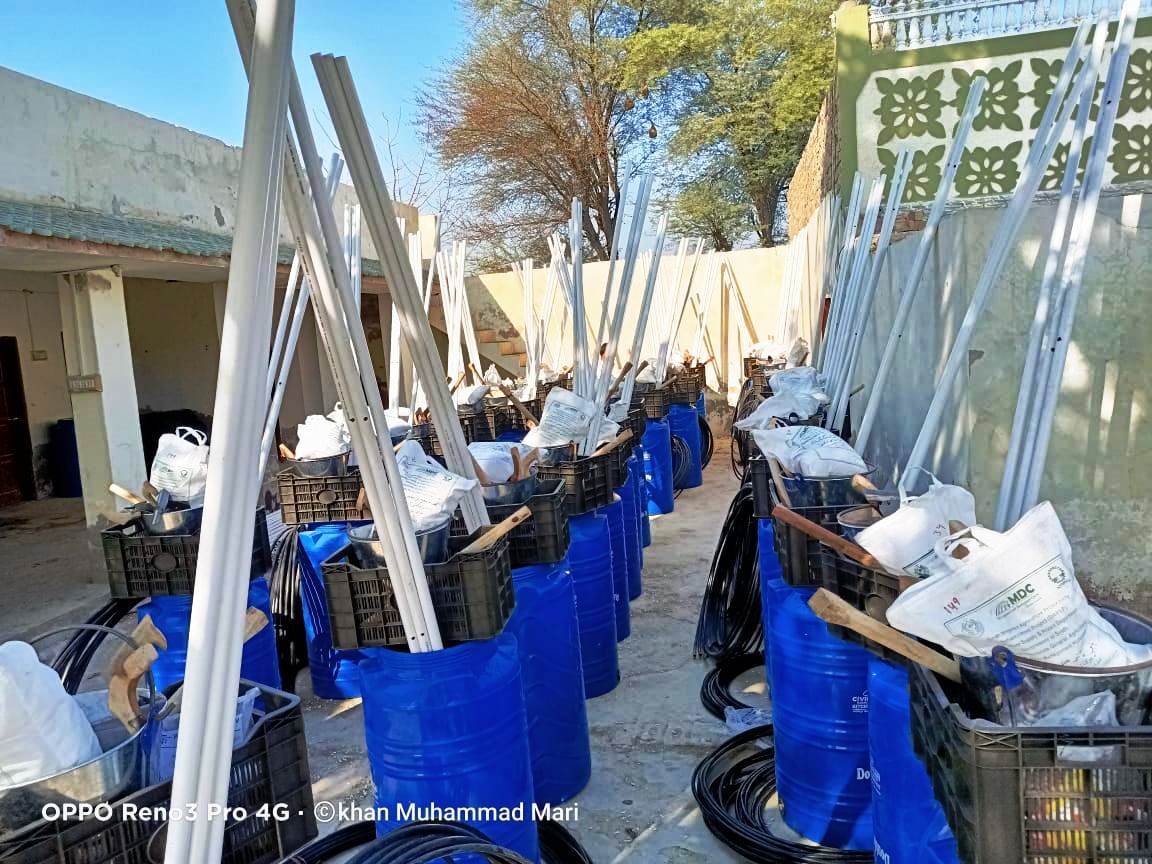
Shah Sachal Sami was established in a small village of Union Council Chanesar, District Nawabshah, founded by educated youth from the village who aimed to improve the living standards of farmers through creating awareness.
For a period of ten years, SSSF office bearers worked voluntarily, carrying out numerous initiatives to strengthen small farmers and improve their socio-economic condition.
SSSF was formally registered under the Societies Act 1988 as a social welfare organization, formalizing its role in serving rural communities.
Your support can help communities access education, skills, livelihoods, health services and sustainable opportunities.